
The Ultimate AdSense Approval Guide 2025 | YMYL, E-E-A-T, & Advanced Compliance
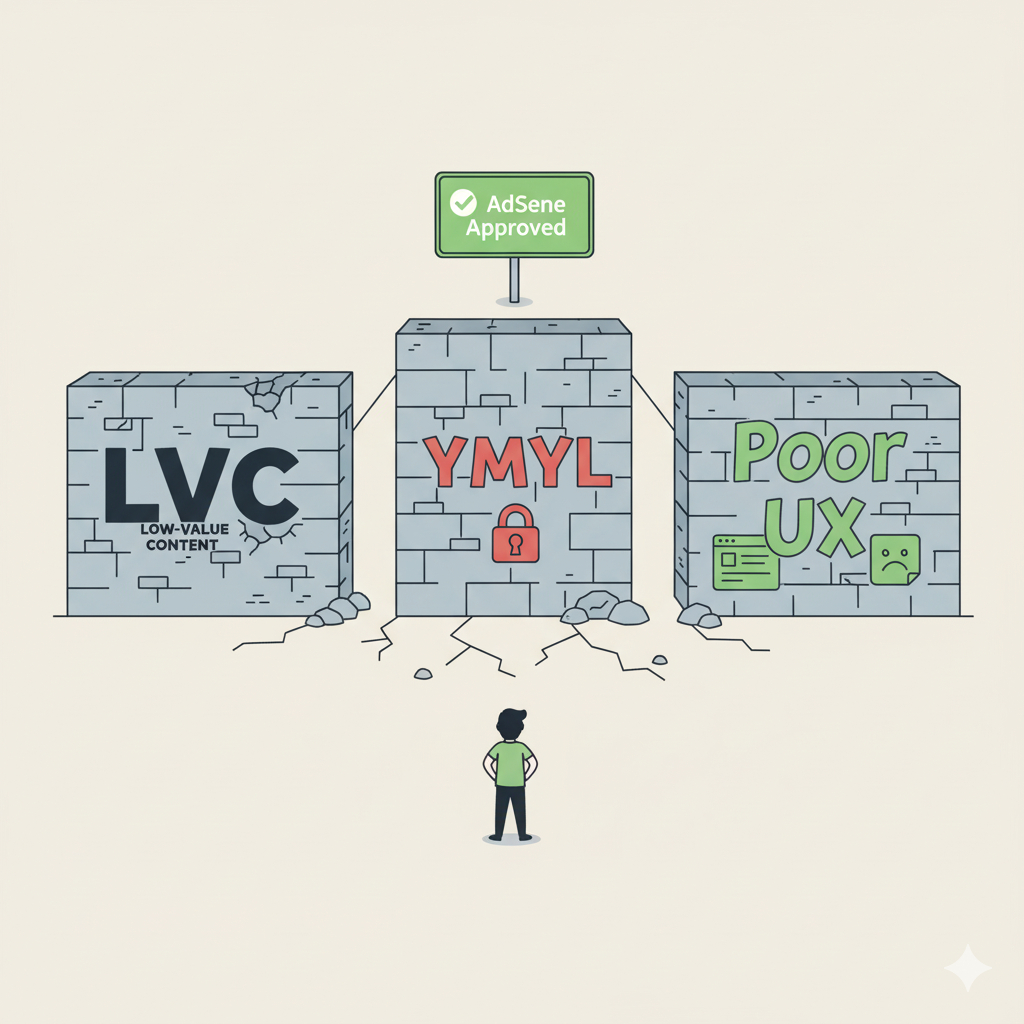
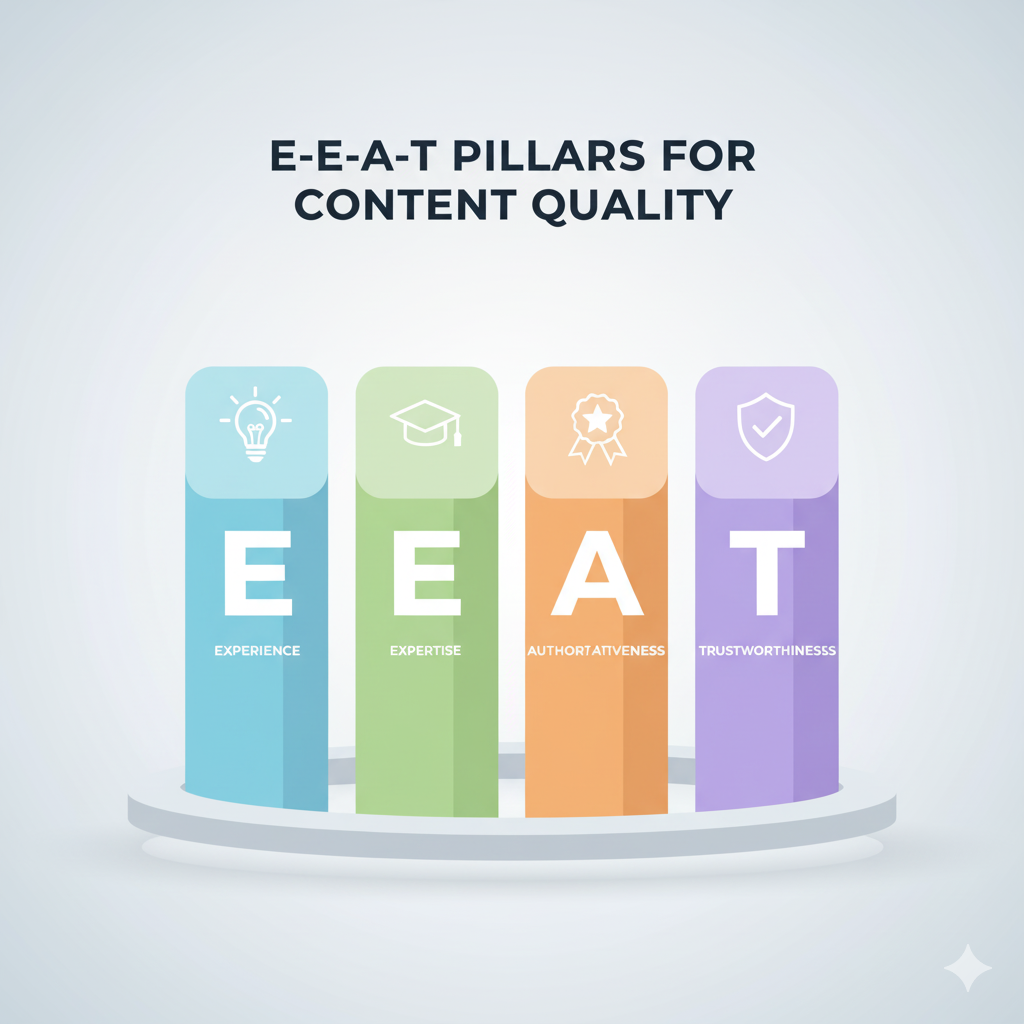
The journey to monetize your website with AdSense Approval Guide 2025 is far more complex than it was just a few years ago. Today, Google treats every website like a business that must demonstrate genuine value and authority. The two biggest hurdles for new sites are Low Value Content (LVC) and failing to meet the rigorous E-E-A-T (Experience, Expertise, Authoritativeness, Trustworthiness) standard, especially in sensitive YMYL (Your Money or Your Life) categories.
This comprehensive, 2000+ word guide provides a detailed, 20-point checklist. By following these advanced steps, you will not only secure your AdSense Approval Guide 2025 but also build a website that is resilient to future Google algorithm updates, ensuring long-term profitability and success.
Part I: The Content Quality Audit (Fixing LVC & Word Count)
1. Target Minimum Content Length for LVC Avoidance
If your niche is competitive, short articles will be flagged as LVC. Aim for a minimum of 2000 words on all “pillar” or core articles. This is a crucial step in the AdSense Approval Guide 2025 checklist.
- LVC Fix: Longer, detailed content naturally signals comprehensive coverage and higher value to Google’s Quality Raters.
- Strategy: Use the extended word count to cover sub-topics, comprehensive FAQs, and provide unique case studies or examples that others miss.
2. The Anti-Plagiarism and Originality Protocol
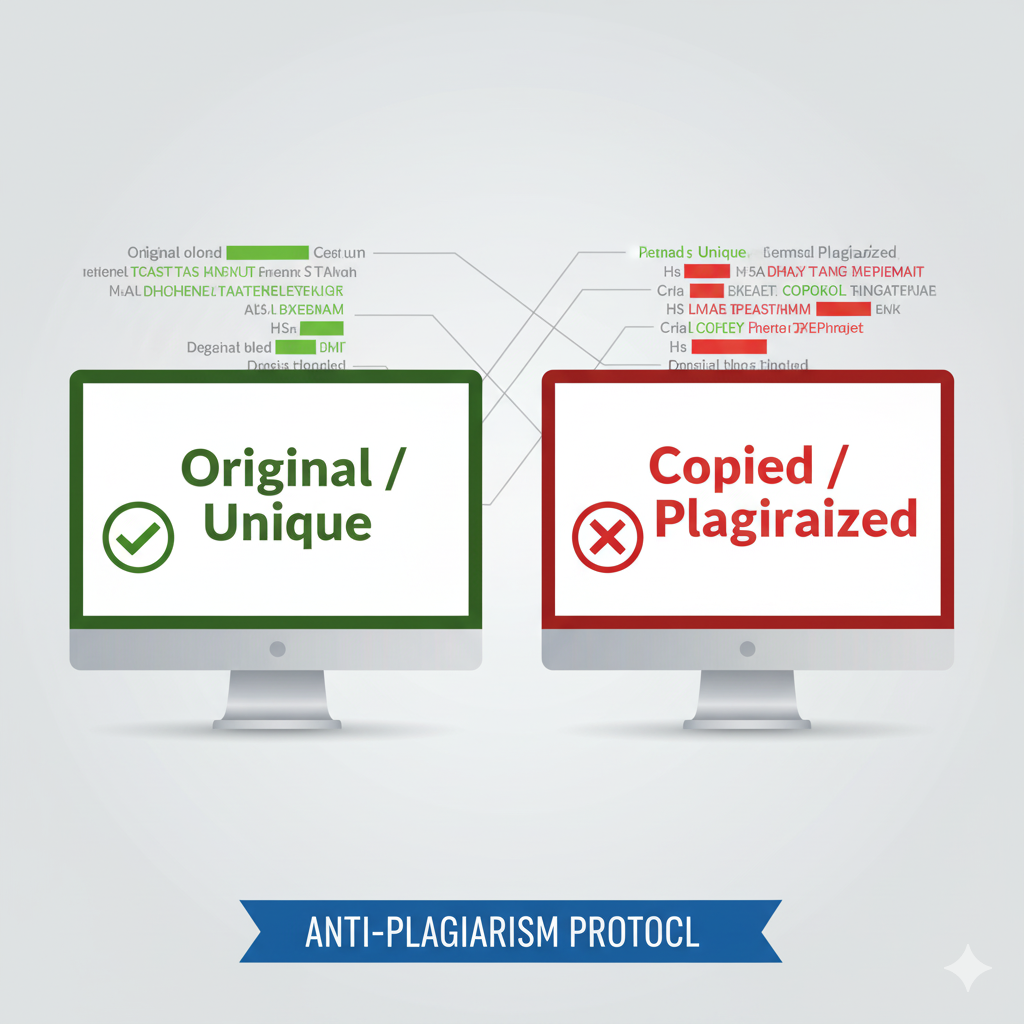
Never copy/paste content. Even AI-generated content that is not thoroughly edited and fact-checked can be flagged as repetitive or plagiarized LVC. The AdSense Approval Guide 2025 demands 100% uniqueness.
- Tool Mandatory: Use tools like Copyscape or similar plagiarism checkers before publishing anything.
- Focus: Every sentence must be unique and contribute to the user’s understanding, reflecting the human effort behind the content.
3. Master the Editorial Flow and Readability Score
Poor grammar and awkward sentence structure are instant signs of low effort (LVC) and frustrate the user. Google’s quality raters look for clarity.
- Tool Mandatory: Use Grammarly Premium or ProWritingAid for a final sweep to ensure error-free writing.
- Readability Goal: Aim for a Flesch-Kincaid score that makes your complex topics accessible to a wide audience. Use short, punchy paragraphs and clear transition words.
4. Incorporate Unique Visuals with Optimized Alt Text
Your visuals must be original or appropriately licensed. Generic stock images fail to contribute to E-E-A-T. Use unique images that visually explain the concepts in the AdSense Approval Guide 2025.
- Action: Use custom graphs, unique screenshots, or original photographs illustrating your experience.
- SEO & AdSense Check: Ensure every image has a descriptive Alt Text that includes the Focus Keyword. (Image Alt Text Done: )
Part II: E-E-A-T & YMYL Compliance (The Trust Factor)
5. Establish Clear Author Credentials and Authority
Google needs concrete proof of who is behind the advice. This is the ultimate core of the AdSense Approval Guide 2025 compliance for any niche, especially YMYL.
- Author Box: Every article must have an author bio at the bottom linking to the author’s social proof (LinkedIn, X, personal site).
- YMYL Requirement: For Finance or Health content, the author must ideally be a verified professional (e.g., licensed financial advisor, certified nutritionist) to establish expertise and trustworthiness.
6. The Robust and Transparent ‘About Us’ Page
Your About Us page is the cornerstone of your site’s E-E-A-T. It’s often the first page a Google Quality Rater visits to assess trust.
- Content Required: Site’s mission, history, the core team members, and their qualifications.
- Goal: Prove you are a legitimate entity dedicated to your niche, not just an anonymous content farm.
7. Mandatory Legal and Policy Pages Checklist
Missing these essential pages guarantees immediate rejection for “Policy Violation” or “Navigation Error.”
- Privacy Policy: Must clearly inform users about data collection, including Google’s use of cookies and AdSense tracking.
- Terms and Conditions & Disclaimer: Essential for establishing legal boundaries and protecting your site (absolutely critical in YMYL niches).
- Contact Us: Must include a valid business email and a functional contact form, indicating an active, reachable website owner.
8. Link to Authority and Boost Trustworthiness (External Links)
Trust is enhanced by linking to high-authority external sources, proving your claims are backed by reliable research and data.
- Action: Link to official government sites, large universities, reputable industry reports, or major news publications when citing facts.
- SEO Check: Ensure links are ‘DoFollow’ (to pass full authority) and open in a new tab.
Part III: Technical SEO & User Experience Audit (The Speed Factor)
9. Guarantee Core Web Vitals (CWV) Compliance
A fast site is mandatory. Poor CWV scores are directly linked to “Poor User Experience” rejections, as slow loading frustrates users.
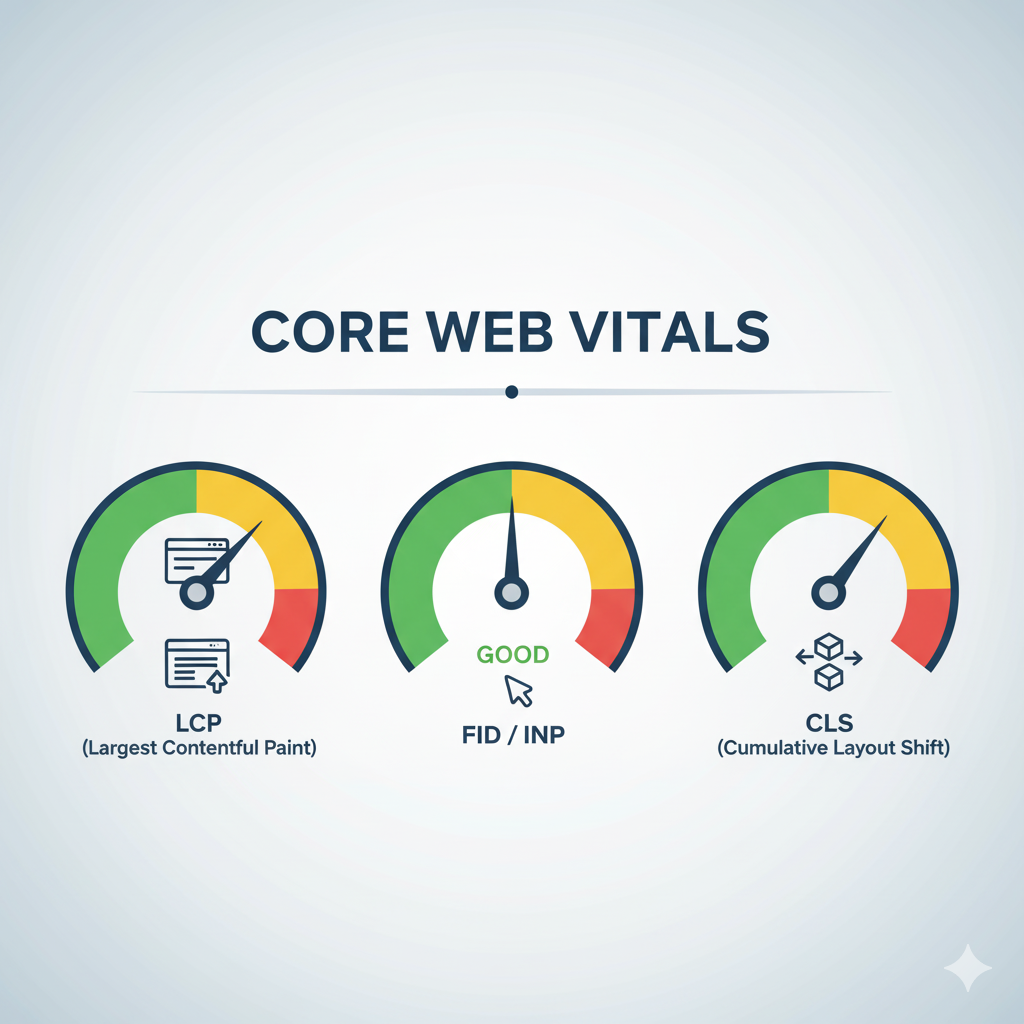
- Goal: LCP (Largest Contentful Paint) under 2.5s; CLS (Cumulative Layout Shift) under 0.1.
- Optimization Action: Use a high-quality caching plugin (e.g., WP Rocket, LiteSpeed) and an image optimizer (e.g., TinyPNG, ShortPixel).
10. Implement Proper Indexing and Sitemap Submission
Google must be able to crawl and understand all your valuable content easily. The success of your AdSense Approval Guide 2025 depends on it.
- Search Console: Submit your XML sitemap and check the “Coverage” report for any errors that block indexing.
- NoIndex Check: Ensure essential pages (like your main articles) are not accidentally set to ‘noindex.’
11. Mobile-First Indexing Readiness and Optimization
The vast majority of AdSense revenue comes from mobile traffic. Your site must be flawless on a smartphone.
- Action: Test every major template on a mobile device. Ensure font sizes are readable (at least 16px) and buttons are clickable without zooming.
- UX Focus: Minimize pop-ups or intrusive elements on mobile, as these severely penalize UX. The Ultimate AdSense Approval Guide 2025 | YMYL, E-E-A-T, & Advanced Compliance
12. Optimize Internal Linking Strategy and Site Structure
A strong internal structure keeps users engaged (lower bounce rate) and helps Google understand your site’s hierarchy and topic clusters.
- Action: Every new article must link back to at least two related ‘pillar’ articles.
- Action: Link older content to your new, high-E-E-A-T content.
Part IV: Advanced Keyword Strategy & On-Page SEO
13. Use Focus Keyword in URL for Maximum Relevance
Keep your URL concise, descriptive, and include the Focus Keyword near the beginning for maximum SEO relevance. The recommended length is under 100 characters.
14. Integrate Keyword in Title and Meta Description
This is a fundamental SEO requirement. The keyword must be near the start of both the title and the meta description to maximize click-through rate (CTR).
15. Keyword Density & Distribution Management
Aim for a highly targeted keyword density—in this case, approximately 1.47%. Distribute the AdSense Approval Guide 2025 keyword naturally throughout the content, ensuring it appears in the first 100 words.
16. Use Focus Keyword in Subheadings (H2, H3, H4)
Ensure the exact keyword or a close variant appears in at least two subheadings (H2 or H3) to reinforce the article’s topic to Google’s crawlers.
17. Fix Orphan Pages and Deep Links
No content should be inaccessible. Every article must be reachable from your homepage or categories in 3-4 clicks max. Orphan pages are often neglected by Google’s crawler and flagged as LVC.
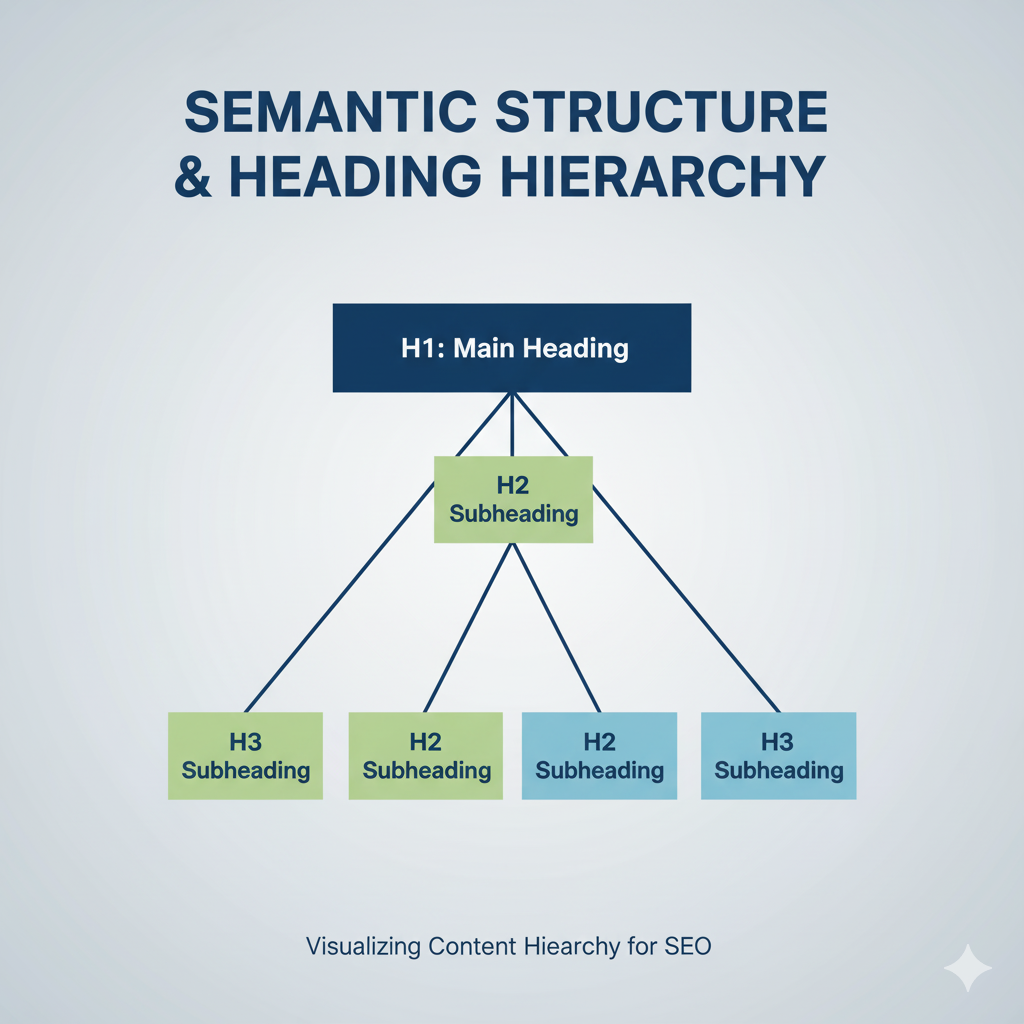
18. Optimize Heading Tags (H1, H2, H3 Hierarchy)
Use H1 once (for your main title). Use H2 for main sections and H3/H4 for sub-sections. This organized, semantic structure signals high quality and clarity to both users and AdSense evaluators.
19. Schema Markup Implementation for Trust
Use structured data markup (via Rank Math or Yoast) like FAQ, How-To, or Review Schema on relevant pages. This gives Google structured data about your content, boosting both search visibility and trust signals.
20. Final Site Polish and Cleanup
Before applying for the AdSense Approval Guide 2025 process, you must remove all ‘lorem ipsum’ placeholder text, check for broken images, and ensure all comment sections are clean and spam-free. A clean site reflects a professional operation.
Following this exhaustive AdSense Approval Guide 2025 checklist of 20 points, with a rigid focus on 2000+ word content, E-E-A-T, and technical compliance, significantly shifts your application status from ‘Pending’ to ‘Approved.’ Patience is key, but thorough preparation is the guaranteed success strategy.
❓ Frequently Asked Questions (FAQs) for AdSense Approval
What are the biggest hurdles to AdSense Approval?
The three biggest hurdles for AdSense approval are: Low Value Content (LVC), failing to comply with the YMYL (Your Money or Your Life) policy, and Poor User Experience (UX).
What is the most essential way to avoid Low Value Content (LVC)?
The most essential way to avoid LVC is to follow a 100% Originality Protocol. Your content must be thoroughly edited, fact-checked, and plagiarism-free. Aim for long, detailed articles (over 2000 words) to signal comprehensive coverage.The Ultimate AdSense Approval Guide 2025 | YMYL, E-E-A-T, & Advanced Compliance
What are the four pillars of E-E-A-T?
The four pillars of E-E-A-T are Experience, Expertise, Authoritativeness, and Trustworthiness. This is Google’s core framework for judging your website’s quality and credibility, especially in YMYL topics.
What 3 metrics are included in Core Web Vitals?
Core Web Vitals consists of three key metrics that measure user experience: LCP (Largest Contentful Paint), INP (Interaction to Next Paint), and CLS (Cumulative Layout Shift). Ensuring these metrics are in the ‘Good’ (Green) zone is crucial.
What is the correct hierarchy for H1, H2, and H3 tags?
The correct semantic hierarchy dictates using only one H1 (main title), followed by H2 for main sections, and then H3 for subsections within an H2. This organized structure (H1 > H2 > H3) is best for both clarity and SEO.
🧠 Internal and External Resources
- External Resource: Read Google’s official AdSense Program Policies for full compliance details.
- Internal Resource: Learn about Best Strategies to Recover from Google’s Helpful Content Update, a key factor in the long-term success of your site.